Thursday, 16 March 2017

Hidden killer in your cold meds
Dear flocks
Most people hear "over the counter" and think "safe." If you can buy it at your local drugstore without a prescription, it must be okay to take, right?
Not so fast…
Taking popular OTC cold medicines can actually raise your risk of heart attack.
By now you probably know that taking NSAIDs (nonsteroidal anti-inflammatory drugs) can be bad news for your heart.
In fact, the FDA actually boosted label warnings on NSAIDs in 2015 to say they can increase the risk of heart attack or stroke.
Now a recent study discovered that patients who are suffering from a common cold or flu are also at greater risk.
And when you take NSAIDs while you have a cold or the flu, you triple your chance of having a heart attack.1
When you have even a mild illness — like a cold or sinus infection — your body produces inflammatory proteins and thickens your blood. That can result in blood clots.
Taking NSAIDs not only causes your blood pressure to go up, it can also cause your blood platelets to clump together and may constrict your blood vessels.
Put them together and your risk for heart attack skyrockets… you're at 3.5 times greater risk than when you're healthy and not taking NSAIDs.
This is concerning because many OTC cold and flu medications contain NSAIDs. Because they can help with fever and pain, they're commonly added to many well-known cold and flu remedies.
I tell my patients to leave these dangerous medications on the shelf and take a walk in the sunshine instead.
A new study published in the British Medical Journal backs up what I've been saying for years — a daily dose of vitamin D can prevent millions of people a year from coming down with colds and flu.
This landmark study included over 11,000 patients. It found that among patients with the lowest levels of vitamin D, supplementation reduced their risk for acute respiratory infection by half.2
I encourage my patients to keep their levels in the range of 40 to 60 ng/mL. You can ask your doctor for a simple blood test if you don't know what yours are.
Sun exposure is the most natural and effective way to make sure your vitamin D levels are where they need to be. But gloomy winter weather and the epidemic use of sunblock means up to 58% of all Americans are deficient in vitamin D.3
If you can, spend at least 15-20 minutes outside every day. Make sure to uncover parts of your body that aren't normally exposed to sunlight.
Wear a hat to protect the delicate skin on your face, but bare your legs, torso or back… anyplace that isn't typically exposed.
The farther north you are from the equator — or the bleaker your winter weather — the more sun you need. If it's not practical to spend enough time in the sunlight every day (making sure not to burn), you should consider supplementing.
Vitamin D supplements are available as vitamin D2 (ergocalciferol) or D3 (cholecalciferol). Make sure to take vitamin D3 because vitamin D2 breaks down rapidly in your body.4
I recommend 5,000 IU of vitamin D3 every day.
To Your Good Health,
Monday, 14 November 2016
Effects of Maternal Age and Age-Specific Preterm Birth Rates on Overall Preterm Birth Rates — United States, 2007 and 2014
Reductions in births to teens and preterm birth rates are two
recent public health successes in the United States (1,2). From 2007 to 2014,
the birth rate for females aged 15–19 years declined 42%, from 41.5 to 24.2 per
1,000 females. The preterm birth rate decreased 8.4%, from 10.41% to 9.54% of
live births (1). Rates of preterm births vary by maternal age, being higher
among the youngest and oldest mothers. It is unknown how changes in the
maternal age distribution in the United States have affected preterm birth
rates. CDC used birth data to assess the relative contributions of changes in
the maternal age distribution and in age-specific preterm birth rates to the
overall decrease in preterm birth rates. The preterm birth rate declined in all
age groups. The effects of age distribution changes on the preterm birth rate
decrease were different in younger and older mothers. The decrease in the
proportion of births to mothers aged ≤19 and 20−24 years and reductions in
age-specific preterm rates in all age groups contributed to the overall decline
in the preterm birth rate. The increase in births to mothers aged ≥30 years had
no effect on the overall preterm birth rate decrease. The decline in preterm
births from 2007 to 2014 is related, in part, to teen pregnancy prevention and
the changing maternal age distribution. Effective public health strategies for
further reducing preterm birth rates need to be tailored to different age
groups.
National
Vital Statistics System data for all live births to U.S. residents in 2007 and
2014 were analyzed for the effects of maternal age on the decline in preterm
birth rates. The analysis was limited to births with gestational age ≥20 weeks,
as determined by the obstetric estimate. The year 2007 was the first year the
obstetric estimate was available nationally (1,3). The year 2014
was the most recent year with final birth data available at the time of
analysis. Preterm birth rates were defined as <37 completed weeks of
gestation and expressed as a percentage of live births. Maternal age was
categorized as ≤19, 20−24, 25−29, 30−34, and ≥35 years. Using rate
decomposition methods, the change in preterm birth rates from 2007 to 2014 was
divided into two components: 1) changes in the maternal age distribution, and
2) changes in the age-specific preterm birth rates (4). The two
components were calculated relative to each other; one was held constant (by
using the average value for the 2 years) as the observed variation in the other
component was assessed. The sum of the two components across the age groups
equaled the total preterm birth rate difference (4).
From
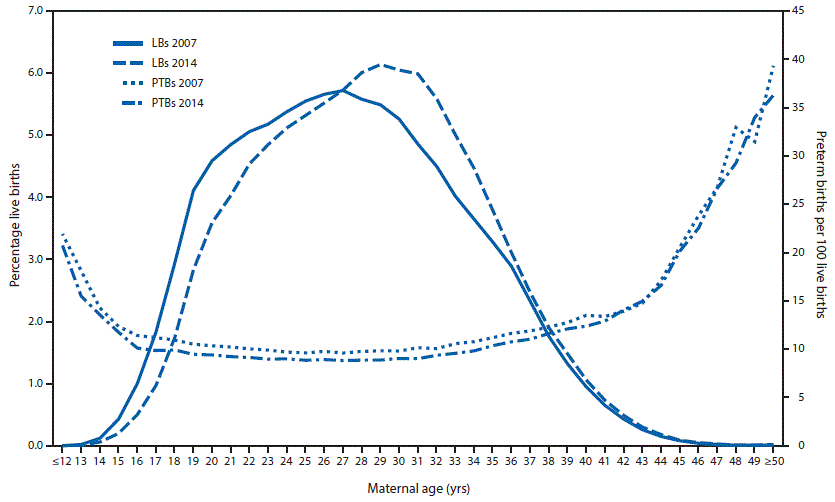
2007 to 2014, maternal age increased from a mean of 27.4 years to 28.3 years (Figure).
A decrease in the percentage of births to mothers aged ≤24 years was observed,
which included a 39.5% decrease in births to teens and an increase in births to
women aged ≥25 years (Table).
From
2007 to 2014, the preterm birth rate decreased from 10.41% to 9.54%, an
absolute rate difference of -0.87% (Table). A U-shaped relationship between maternal
age and preterm birth was present in both years with the lowest preterm birth
rate occurring among women aged 25−29 years (Table) (Figure). The decrease in
preterm birth rates from 2007 to 2014 was observed for mothers at all ages
<42 years. The absolute rate difference was highest among teens and lowest
among women aged ≥35 years (Table).
The
decomposition analysis partitioned the overall observed rate difference of
-0.87% into two parts, age distribution and age-specific rate components
(Table). The change in age distribution contributed to the preterm birth rate
decrease (as indicated by the negative values) only among mothers aged ≤24
years. In contrast, the age distribution component for mothers aged ≥25 years,
and especially for mothers aged ≥30 years, offset this decline. When the age
distribution components were summed across the age groups, a negligible effect
(0.01) was observed on the overall change in preterm birth rates. The change in
age-specific preterm birth rates contributed to the decline in preterm birth
rate across all age groups.
Examining
the total effect of both components on the preterm birth rate decline by age
group, the largest total effects were observed among mothers aged ≤19 and
mothers aged 20−24 years (Table). In these two groups, the change in age
distribution had a larger effect than the change in the age-specific preterm
birth rate. For mothers aged 25−29 years, the total effect also contributed to
the overall preterm birth rate decline because the age-specific rate component
was greater than the age distribution component. For mothers aged ≥30 years,
the total effect of both components did not contribute to the overall preterm
birth rate decrease; the rate increases from the age distribution components
were greater than the rate decreases from the age-specific rate components.
These
analyses included all births; however, sensitivity analyses restricting to
singleton births produced similar results. The overall absolute rate difference
for singletons during this period was -0.85%, compared with the -0.87% for all
births.
Discussion
The
overall decline in the preterm birth rate from 2007 to 2014 was related to
declines in age-specific preterm birth rates and a decrease in prevalence of
births to teens and women aged 20−24 years. The contribution from mothers aged
≥24 years to the age-distribution component was offset by an increased
prevalence of births to older mothers who have high rates of preterm birth.
Thus, the total age distribution component masked divergent influences of
younger and older mothers on the overall preterm birth rate decline. Because of
this, the influence of younger mothers on the overall preterm birth rate decline
is more appropriately indicated by examining the age-specific total effects in
the decomposition analysis. Considering relative effects of both age
distribution and age-specific preterm birth rate components, only mothers aged
≤29 years contributed to the overall rate decline, with the largest
contributions from teens and women aged 20−24 years.
Other
studies have documented increased preterm birth rates among teen and older
mothers compared with mothers in their mid-twenties to early thirties. Although
teen and older mothers might share some common preterm birth risk factors, such
as low socioeconomic status, extremes of body mass index, and smoking,
physiologic immaturity is a risk factor for teen mothers and the prevalence of
preexisting chronic disease is greater among older mothers. This heterogeneity
of risk for preterm births according to maternal age and the variation in
changes in age-specific preterm birth rates, combined with the changes in
maternal age distribution over time, suggest the need for varying preterm birth
prevention strategies across the reproductive life span.
The
findings in this report are subject to at least one limitation: the
relationship of preterm birth with maternal age is associative, not causal. The
analysis did not assess the impact of other pregnancy outcomes, such as
elective termination or fetal death, or of potential confounders, such as
maternal race/ethnicity, obstetric history, smoking, socioeconomic status, body
mass index, chronic or pregnancy-related conditions, prenatal care, and
delivery method. The effects on preterm birth rates of maternal
17-hydroxyprogesterone use, a preterm birth prevention strategy that increased
during this period , were not examined and the effects of maternal age on
spontaneous, medically indicated, early, or late preterm births were not
assessed.
The
overall decline in the preterm birth rate from 2007 to 2014 is related in part
to the changing maternal age distribution associated with the success of teen
pregnancy prevention and declines in unintended pregnancy. Teen pregnancy
prevention is one of CDC’s Winnable Battles . Although teen pregnancy
prevention and family planning have many positive health and societal effects,
the results of this analysis suggest these programs might also have direct
effects on reducing preterm birth rates. Based on recent data, 75% of
pregnancies to teens aged 15−19 years and 59% of pregnancies to women aged
20−24 years are unintended . The need for prevention of first and repeat teen
pregnancies continues. Prevention of unintended pregnancy and encouragement of
optimal birth spacing is one part of a five-part strategy for preterm birth
prevention. Other strategies include improved access to preconception care,
preterm birth risk identification and treatment, reduction of elective delivery
before 39 weeks gestation, and single embryo transfer in assisted reproductive
technology. These strategies need to be implemented throughout the reproductive
life span to reduce preterm births for all maternal ages.
FIGURE. Percentages of live births (LBs) and preterm births
(PTBs), by maternal age —United States, 2007 and 2014
November is National Prematurity Awareness Month
In 2016, about 1 in 10 babies was born too early in the United States. Learn about the problem, risk factors, and what we can do to reduce premature birth.
About Premature Birth
A developing baby goes through important growth throughout pregnancy—including in the final months and weeks. Premature (also known as preterm) birth is when a baby is born too early, before 37 weeks of pregnancy have been completed. The earlier a baby is born, the higher the risk of death or serious disability. In 2015, preterm birth and low birth weight accounted for about 17% of infant deaths. Babies who survive can have breathing issues, intestinal (digestive) problems, and bleeding in their brains. Long-term problems may include developmental delay (not meeting the developmental milestones for his or her age) and lower performance in school.
Preterm Birth in the United States
Reducing preterm birth is a national public health priority. Preterm birth rates decreased from 2007 to 2014, and CDC research shows the decline in preterm births is partly due to fewer teens and young women giving birth. Despite this success, the preterm birth rate rose for the second straight year in 2016, and about 1 in 10 babies (10%) was born too early in the United States. Additionally, racial and ethnic differences in preterm birth rates remain. For example, in 2016, the rate of preterm birth among non-Hispanic black women (14%) was about 50% higher than the rate of preterm birth among non-Hispanic white women (9%).
Risk Factors
Experts don’t know all the reasons that some babies are born too early. Some things (called risk factors) can increase the chance that a woman will have a preterm birth. However, a woman can still have a premature birth even if she has no known risk factors.
Risk factors for preterm birth include—
Risk factors for preterm birth include—
- Social characteristics
- Black race
- Teens and women over age 35
- Low socioeconomic position
- Health behaviors
- Tobacco use
- Alcohol or drug abuse
- Medical and pregnancy characteristics
- Mental health (stress, depression)
- Pregnancy history (short time between pregnancies, delivering a baby preterm in the past, being pregnant with multiples)
- Pregnancy complications (preeclampsia, placenta previa or placental abruption)
- Medical disorders (thyroid disease, obesity, asthma, diabetes, high blood pressure)
- Fertility treatments (assisted reproductive technology or other treatments)
- Infection within the uterus
Saturday, 12 November 2016
Novel Drug Delivery Systems Yie Chien
A comprehensive treatment of the science, technology, and regulation of rate-controlled administration
of therapeutic agents, with coverage of the basic concepts, fundamental principles, biomedical
rationales, and potential applications. This revised and updated edition (first in 1982) incorporates

click me
Monday, 7 November 2016
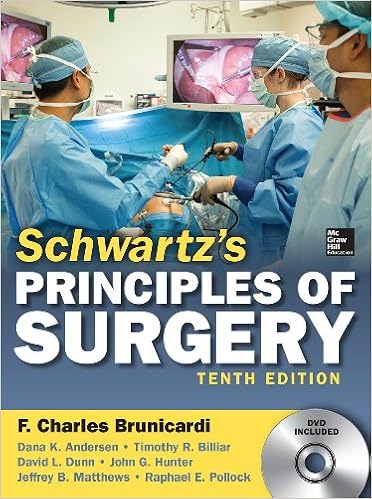
Schwartz's Principles of Surgery
THE WORLD'S #1 SURGERY TEXT--UPDATED TO INCLUDE STATE-OF-THE-ART EVIDENCE-BASED SURGICAL CARE AND LEADERSHIP GUIDANCE FOR TRAINEES AND PRACTICING SURGEONS
A Doody's Core Title for 2015!
The Tenth Edition of Schwartz's Principles of Surgery maintains the book's unmatched coverageof the foundations of surgery while bringing into sharper focus new and emerging technologies. We have entered a new era of surgery in which minimally invasive surgery, robotic surgery, and the use of computers and genomic information have improved the outcomes and quality of life for patients. With these advances in mind, all chapters have been updated with an emphasis on evidence-based, state-of-the-art surgical care. An exciting new chapter, "Fundamental Principles of Leadership Training in Surgery," expands the scope of the book beyond the operating room to encompass the actual development of surgeons. This edition is also enriched by an increased number of international chapter authors and a new chapter on Global Surgery. More than ever, Schwartz's Principles of Surgery is international in scope--a compendium of the knowledge and technique of the world's leading surgeons.
Features
- More clinically relevant than ever, with emphasis on high-yield discussion of diagnosis and treatment of surgical disease, arranged by organ system and surgical specialty
- Content is supported by boxed key points, detailed anatomical figures, diagnostic and management algorithms, and key references
- Beautiful full-color design
- New companion DVD includes eight high-quality, narrated videos:
- Laparoscopic Inguinal Hernia Repair
- Kidney Transplant
- Laparoscopic Cholecystectomy
- Thyroidectomy
- Right Colectomy
- Sigmoid Colectomy
- Laparoscopic Incisional Hernia Repair
- Open Posterior Component Separation
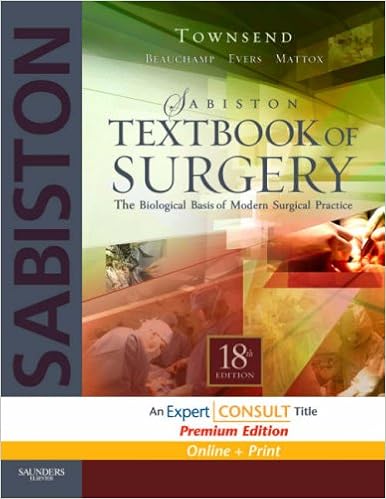
Sabiston Textbook of Surgery: The Biological Basis of Modern Surgical Practice, 18th Edition
This distinguished reference carries on a 70-year legacy as the world's most thorough, useful, readable, and understandable text on the principles and techniques of surgery. Its peerless contributors deliver all the well-rounded, state-of-the-art knowledge you need to richly grasp the pathophysiology and optimal management of every surgical condition―so you can make the best clinical decisions, avoid complications, manage unusual situations, and achieve the best possible outcomes. It is a valuable review tool for certification/recertification preparation, and an indispensable source of guidance on overcoming the challenges that arise in everyday practice. As an Expert Consult title, the thoroughly updated 18th edition comes with access to the complete contents online, fully searchable―enabling you to consult it rapidly from any computer with an Internet connection. In addition, this Premium Edition includes timely clinical updates online, plus links to MEDLINE, downloadable illustrations, bonus journal articles, review questions, and much more.
- Offers a more distinguished team of contributors and a better blend of clinical and basic-science information than any other source, providing you with the best possible understanding of the clinical issues surrounding every operative situation.
- Features a more user-friendly format, a larger and more helpful array of full-color illustrations, and a more versatile and well-constructed web site than other resources―making the answers that you need easier to locate and understand quickly.
- Offers an organization and content that parallels the written board American Board of Surgery exam, providing excellent preparation for certification and recertification.
- Includes access to the complete contents online, fully searchable, PLUS timely updates to reflect new scientific and clinical developments · references linked to MEDLINE · downloadable illustrations · bonus articles from important surgery periodicals (such as Surgical Clinics of North America, the American Journal of Surgery, Operative Techniques in General Surgery, and Seminars in Colon and Rectal Surgery) · review questions · and other valuable features.
- Incorporates an enhanced emphasis on surgical outcomes to mirror the growing importance of this topic.
- Delivers comprehensive updates to keep you current with the latest research, techniques, and emerging procedures in the field, as well as completely new chapters on "Surgical Patient Safety" and "Regenerative Medicine."
Subscribe to:
Posts (Atom)